
USD(R&E) Top 10 Technology Focus Areas
迈克·格里芬博士,,,,USD(R&E)得出有效top-10 list of technology focus areas来自2018年国防战略国防部必须确保其优于潜在对手的优势。格里芬博士已将这些技术领域确定为:
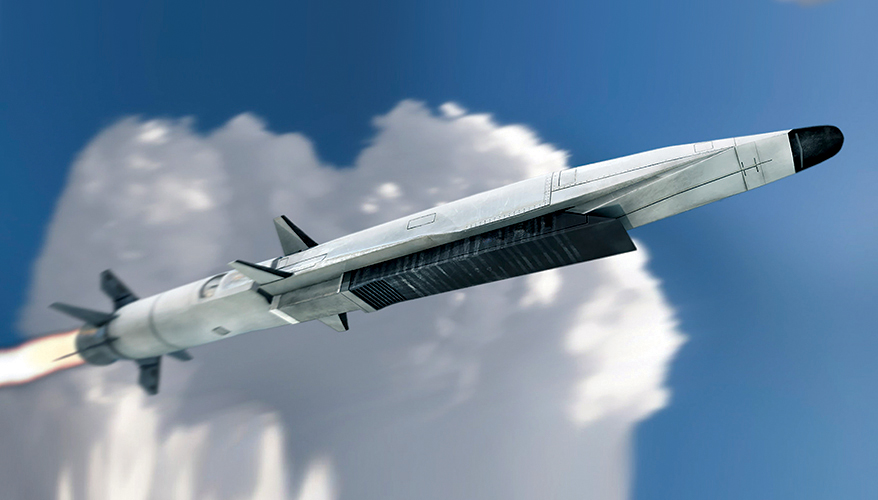 超为人物
超为人物- 定向能量
- 命令,控制和通信
- space offense and defense
- cybersecurity
- artificial intelligence/machine learning
- 导弹防御
- 量子科学与计算
- 微电子学
- autonomy*
 超为人物
超为人物格里芬博士可能会建议在20-24财年之间的这些优先领域增加资金,以便在十年内产生改变游戏规则的能力。来源:内部防御,,,,16 May 18
On 20 Apr 18, Dr. Griffin tasked aDefense Science Board (DSB) task force on Technology Strategy为10个优先技术领域中的每个人提供及时的建议(NLT 1年7月1日)的技术策略。DSB将为每个领域推荐目标,国防的价值,技术的实现方式,应最紧急地做什么,并估算实现所需技术能力所需的广泛时间表和投资。
* updated per R&E’s latest direction
darpa sbir/sttr baa
DARPA released a SBIR/STTR Broad Agency Announcement在3月19日,在10个国防部技术重点领域的创新小型企业中征求思想:
- 人工智能:改善算法,解决数据质量,优化人机协调并破坏对手的努力。
- 自治:地址自治系统组合;机器的感知,推理和智力;人与自主系统的信任和互动。
- 通讯:Addressing high-performance, low power embedded processing and developing algorithms for self-configuring, self-healing and resource allocation.
- 网络:解决行为问题,建立自我服务的网络并开发方法来评估网络效果和后果。
- 定向能量:Address power scaling, jitter reduction, laser size and weight, adaptive optics, beam propagation and target tracking.
- 超生酸:解决高温材料,高超音速车制造,空气呼吸推进以及高超音速指导和控制系统。
- 微电子学:Develop economically competitive domestic manufacturing capabilities, improve radiation hardening and develop radio frequency (RF) technologies for specialty applications with nuclear, space and electronic warfare capabilities.
- Quantum Sciences:Address quantum clocks and sensors, quantum communications technologies and develop enabling technologies for quantum computing in the areas of cryogenics and photon detection.
- 空间:开发低地球轨道纳米 - 卫星来进行导弹,智能,监视,侦察,导航和通信。
- Nuclear Modernization:核三合会的现代化;轰炸机,洲际弹道导弹和弹道导弹潜艇以及支持基础设施,包括国家实验室和核司令部,控制和通信(NC3)网络。
USD(R&E) Modernization Priorities
USD(R&E)’s new website outlines their现代化优先事项
- 人工智能/机器学习- 国防部将利用
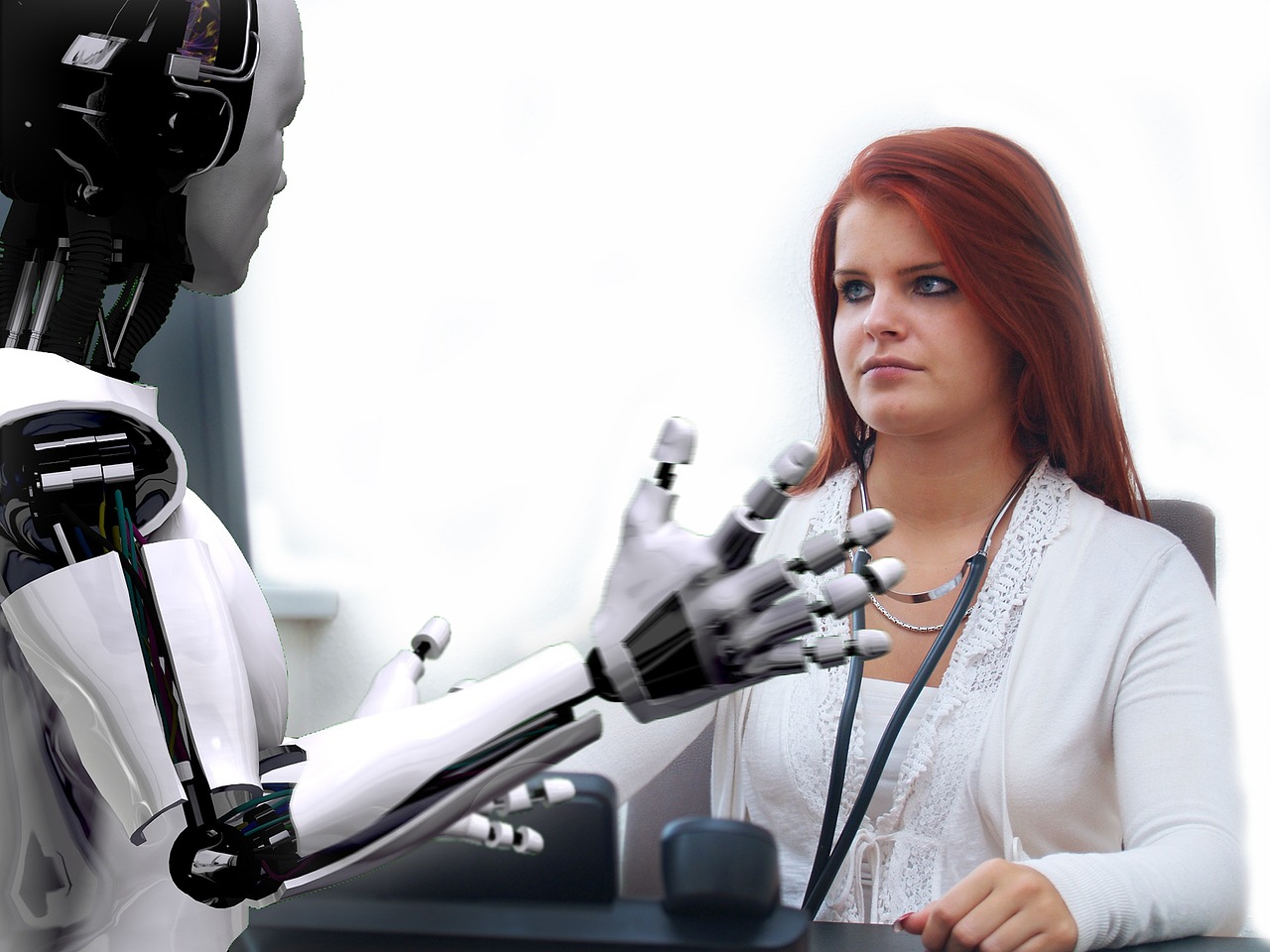 AI to enable U.S. forces to operate more effectively and efficiently. As a Department, we are evaluating which of our processes and procedures can be enabled via adoption of AI technology to meet warfighter needs and Defense priorities.
 - 生物技术是利用细胞和生物分子过程的任何技术应用。当前的大多数生物技术研究都集中在试剂检测,疫苗和治疗上。生物技术的未来进步将改善对公众和军事人员免受生物代理的保护,以及许多其他潜在应用。
- Autonomy扩展并补充人类的能力。优势包括持久性,大小,速度,可操作性以及对人类生活的风险降低。国防部针对不同的无人/混合团队能力的无缝集成,为联合部队提供了灵活的选择。
- Cyberis a unique operational domain with significant security challenges and potential leap-ahead capabilities for military operations requiring enhanced command, control and situational awareness, and autonomous operations. Ability to gain and maintain the U.S. technological edge in cyberspace in the face of rapid evolution is essential to maintaining mission readiness.
- Directed energy我们的武装部队逐渐发挥了可部署的能力,将有可能以极大的精确性和最小的附带损害来防御几种类型的威胁,而每次参与的费用最低。高能激光(HEL)技术开发和硬件的进步使激光武器系统越来越可行。
- FNC3- 命令,控制和通信技术涵盖了跨力元素获取,处理和传播信息的能力。DOD需要一条清晰的路径,可以使用多余的全网络“通讯”进行稳健的C4i。现有能力需要足够的保护,以防止日益增加的威胁,普遍性和有效性。
- 微电子学随着对廉价和轻量级设备的需求增加,并且已纳入无数的国防部系统,因此正在迅速发展。我们的现代化能力受到外国微电子(ME)的生产,行动和投资的危害。我们必须开发和提供下一代微电子技术,以增强致命性,确保关键基础设施并实现经济竞争力。
- Quantumcomputers pose an impending threat to secure communications. Continued US dominance in quantum information science will keep us ahead of these risks, and NSA crypto-modernization will protect our most sensitive communications against a quantum computer attack. Quantum sensing will deliver new and assured precision position, navigation, and timing capabilities, keeping our forces safe in GPS-denied theaters. Quantum networks will deliver drastically enhanced sensors for finding and fixing elusive targets, and will deliver resource multiplying effects for commercially developed quantum computers to solve DoD’s hardest analytical problems.
- 高血压武器的声音速度五倍或更多倍。这些武器带来了剧院冲突或区域冲突的战术能力。非常快速的响应,高速,高度机动,难以找到,跟踪和杀死。我们正在现代化进攻性和防御力量结构,以利用和阻止这种能力。
- 空间- 在所有领域,美国的战争方式取决于及时和确保的空间影响。对手的能力和进步要求我们迅速发展到更具防御能力和弹性的空间姿势。对我们目前的航天器机队的增加保护和弹性是必不可少的。
 AI to enable U.S. forces to operate more effectively and efficiently. As a Department, we are evaluating which of our processes and procedures can be enabled via adoption of AI technology to meet warfighter needs and Defense priorities.